12 Free website builders that allow custom domain in 2026
 By David Nge | Last Updated: March 10, 2026
My work is supported by affiliate commissions. Learn More
By David Nge | Last Updated: March 10, 2026
My work is supported by affiliate commissions. Learn More
Most "free" website builders aren't actually free once you want to use your own domain name.
Wix, for example, has a free plan but will cost you $17/month to connect a domain you own. Similarly, Webflow lets you build a free site under their webflow.io subdomain but adding a custom domain will set you back $14/month.
But a there are a few platforms genuinely that let you build a free website with domain name included, no upgrade needed to connect your own.
Some are traditional drag-and-drop builders. Others are more technical tools that offer free hosting.
Each comes with trade-offs: branding, storage limits, ads, etc.
In this guide, I'll break down:
Whether you need a simple site, an eCommerce store, or a full-blown custom landing page, there is a free website builder you can use for your business at no cost.
| Builder | Best For | Pages/Sites | Biggest Limitation |
|---|---|---|---|
| HubSpot | Small business sites | Up to 30 pages | Branding on all pages; steep upgrade pricing |
| Google Sites | Simple informational sites | Unlimited | Very limited design; no blog or ecommerce |
| Kit | Newsletter creators | Landing pages only | Not a full website builder; pages only |
| GetResponse | Email marketing + website | 1 website | GetResponse branding; basic features |
| Systeme.io | Sales funnels + courses | 3 funnels | Can't export your site; limited integrations |
| FourthWall | Creator ecommerce | 1 store | No POS or subscription products |
| Beehiiv | Online newsletters | Newsletter site | Newsletter domain only, not a full site |
| Softr.io | Web applications | 1 app (10 users) | Tiny user limit; reported steep price hikes |
| Landingi | Landing pages | 1 page | 500 visits/month; credit card required |
| Blogger | Basic blogging | Unlimited posts | Dated design; Google may show ads |
| GitHub Pages | Technical users | 1 site per account | Requires coding (HTML/CSS minimum) |
| Wordpress | Technical users | Unlimited | Manage the site yourself |
Two takeaways from the summary:
Let's take a closer look at each of these website builders.
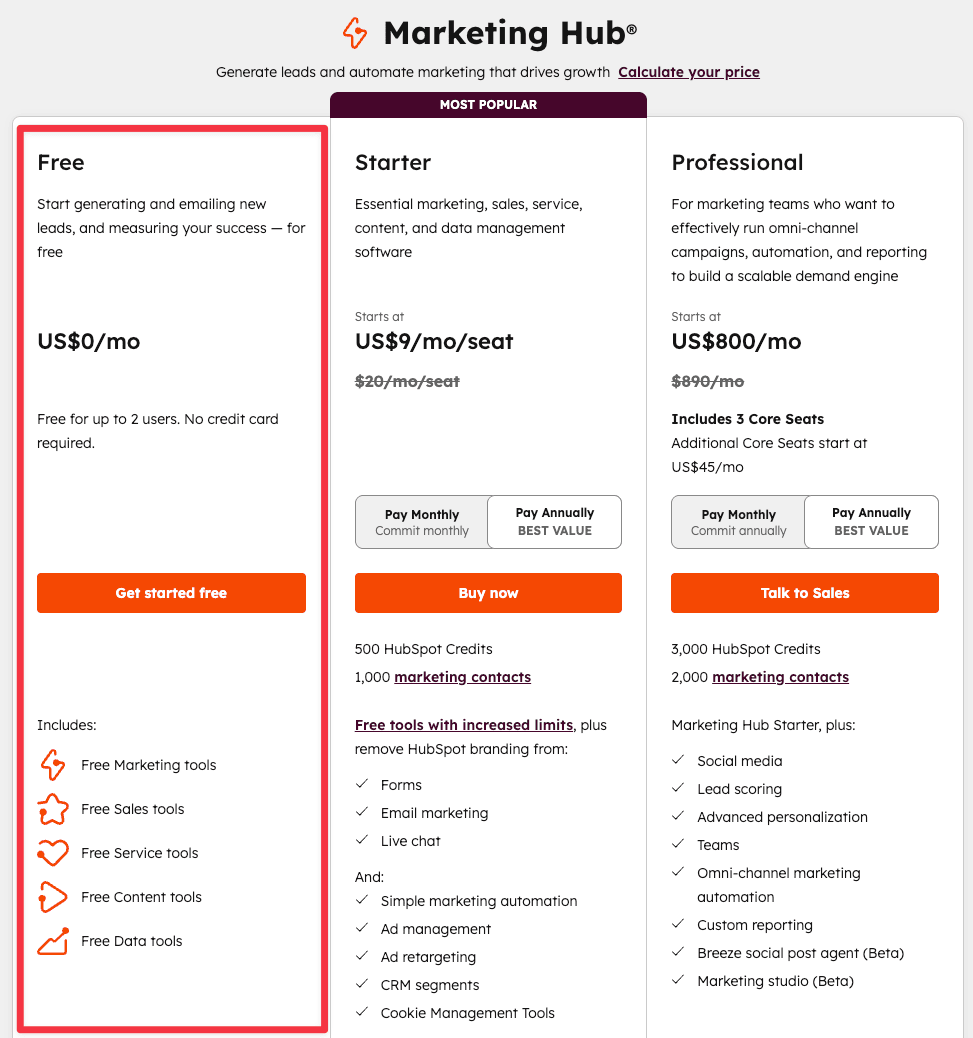
Hubspot's free marketing plan includes a website builder, email automation, team inbox, and a host of other tools you can use to power your business.
You get up to 30 website pages, a drag-and-drop editor, blog functionality, an AI content assistant, and a built-in CRM that tracks your visitors.
The free plan let's you connect your site to a custom domain you own with SSL included.
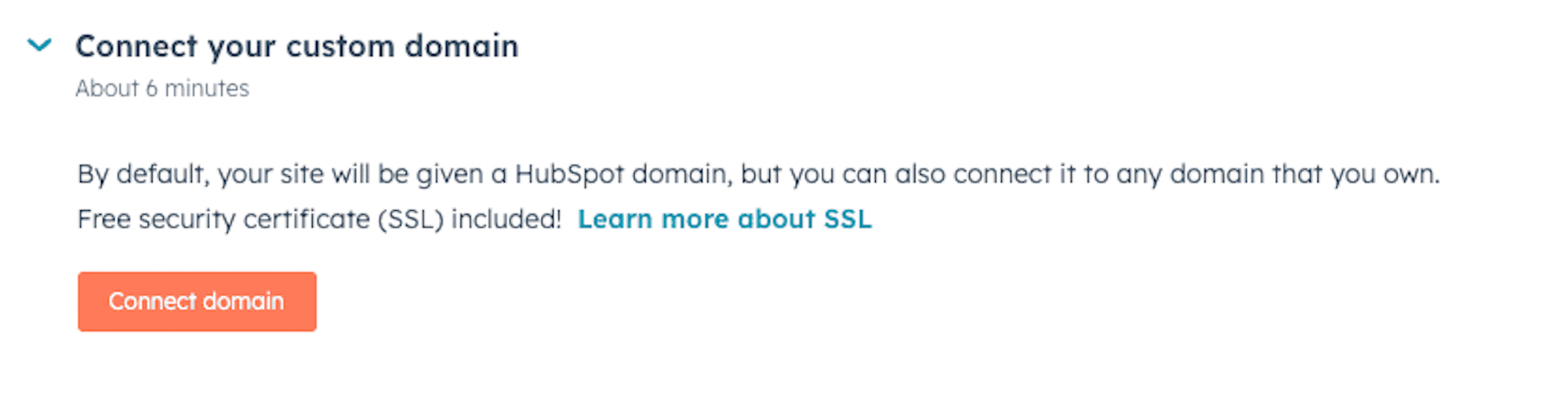
For a deeper look at the editor and setup process, see my review on the HubSpot AI website builder review and step-by-step tutorial.
In my opinion, Hubspot's free plan offers the most value, especially if you're a small business that needs a marketing site :
See what else is included Hubspot's free marketing plan
Hubspot offers a lot of free value, but the free plan does come with limitations:
Small business owners who need a marketing site should take advantage of HubSpot's free website and marketing tools (while they're still available).
Looking at their feature sets, you can get far with pretty much zero cost.
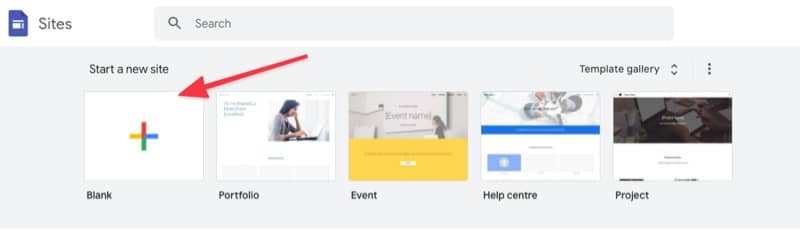
This may come as a surprise, but creating a Google Site is as simple as making a Google slide.
It’s 100% free — there isn’t a paid plan, and there’s no plugin to purchase. Google Sites is essentially free website hosting with custom domain support baked in, so you can connect your own domain at no cost.
Part of Google Site’s appeal is that they’ve simplified the website design process as much as possible.
For example, instead of limitless customization, there are only a handful of layouts to use.
And there are only a few page elements for you to add to the site — Image, text, button, table of content, and image carousel.
Every element you add snaps and align neatly like a lego piece.
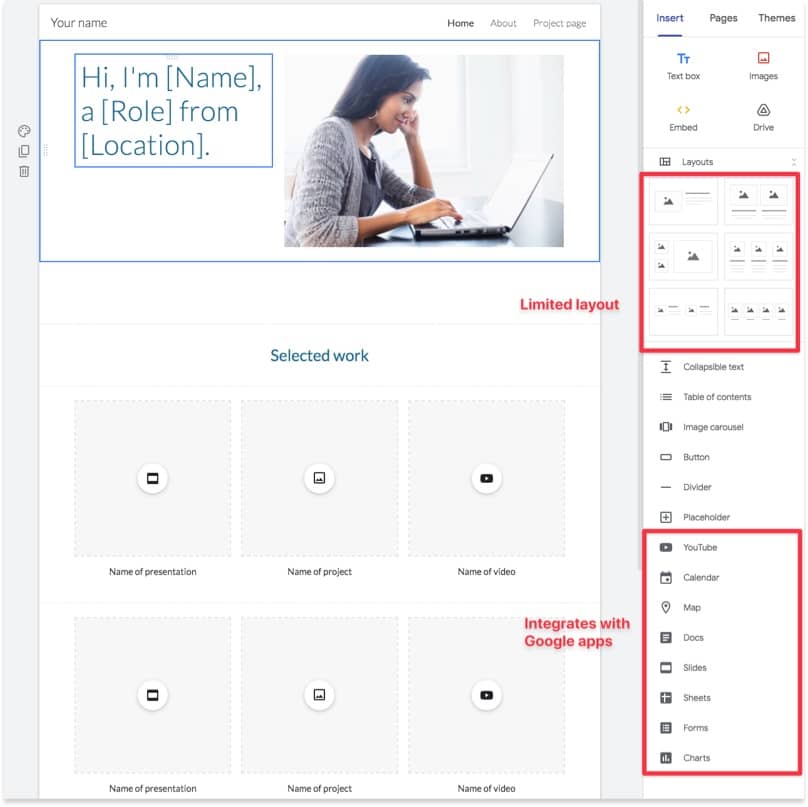
By placing these limitations, Google ensures your website will work on all screens and devices regardless of how you build it.
Once you’re done, just hit publish, and you have a fully functional website with a link to share with anyone.
Google Site is great for students or businesses who need a simple informational site (hours, location, team bios, contact form) and wants zero monthly cost.
You don’t mind a basic-looking website as long as you get a site with a custom domain and displays all the information you need.
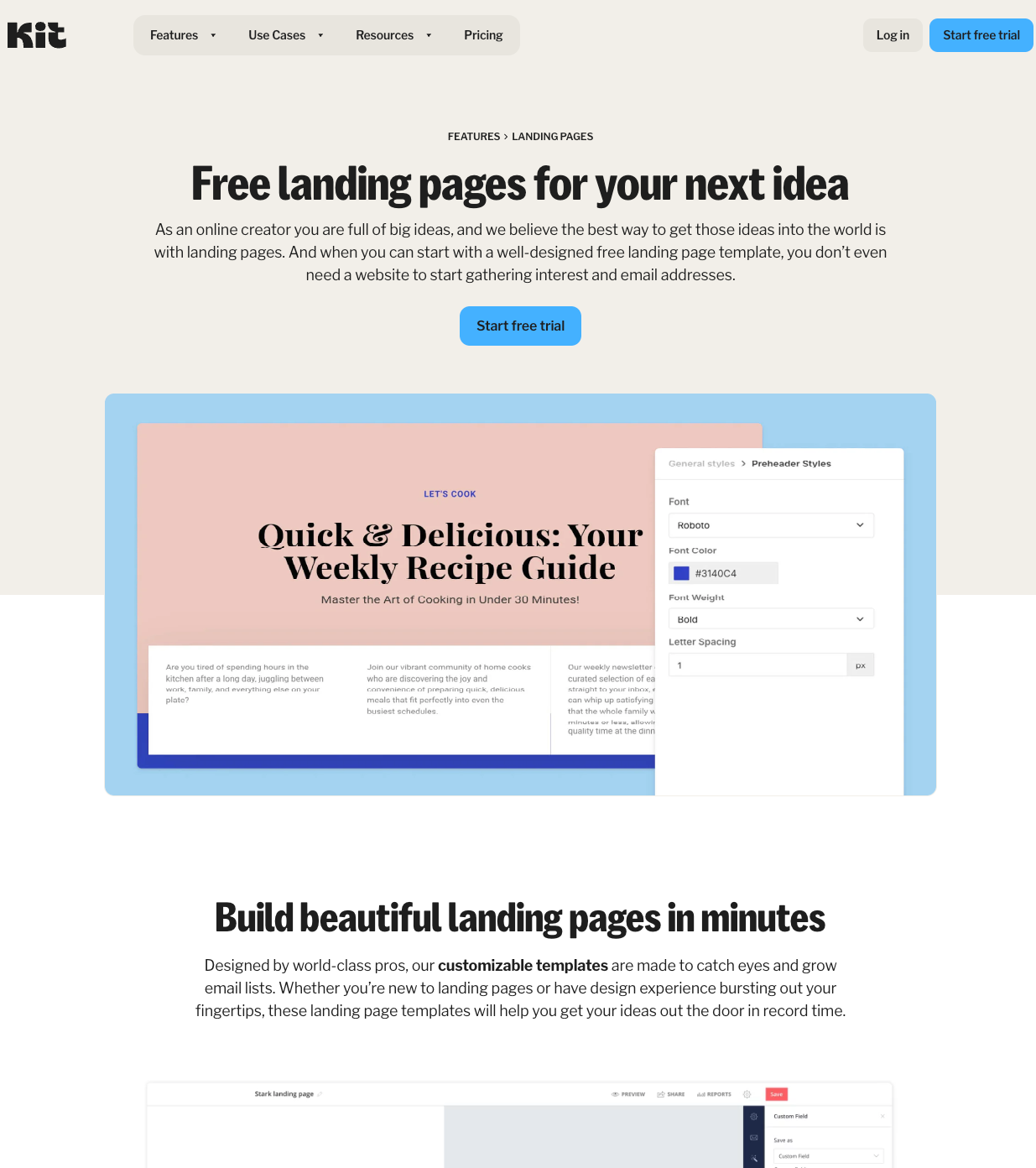
Kit (previously ConvertKit) is an email marketing platform that happens to include landing pages that support custom domains on the free plan.
Their indispensable free landing page builder helps online creators capture leads and interests for their expertise.
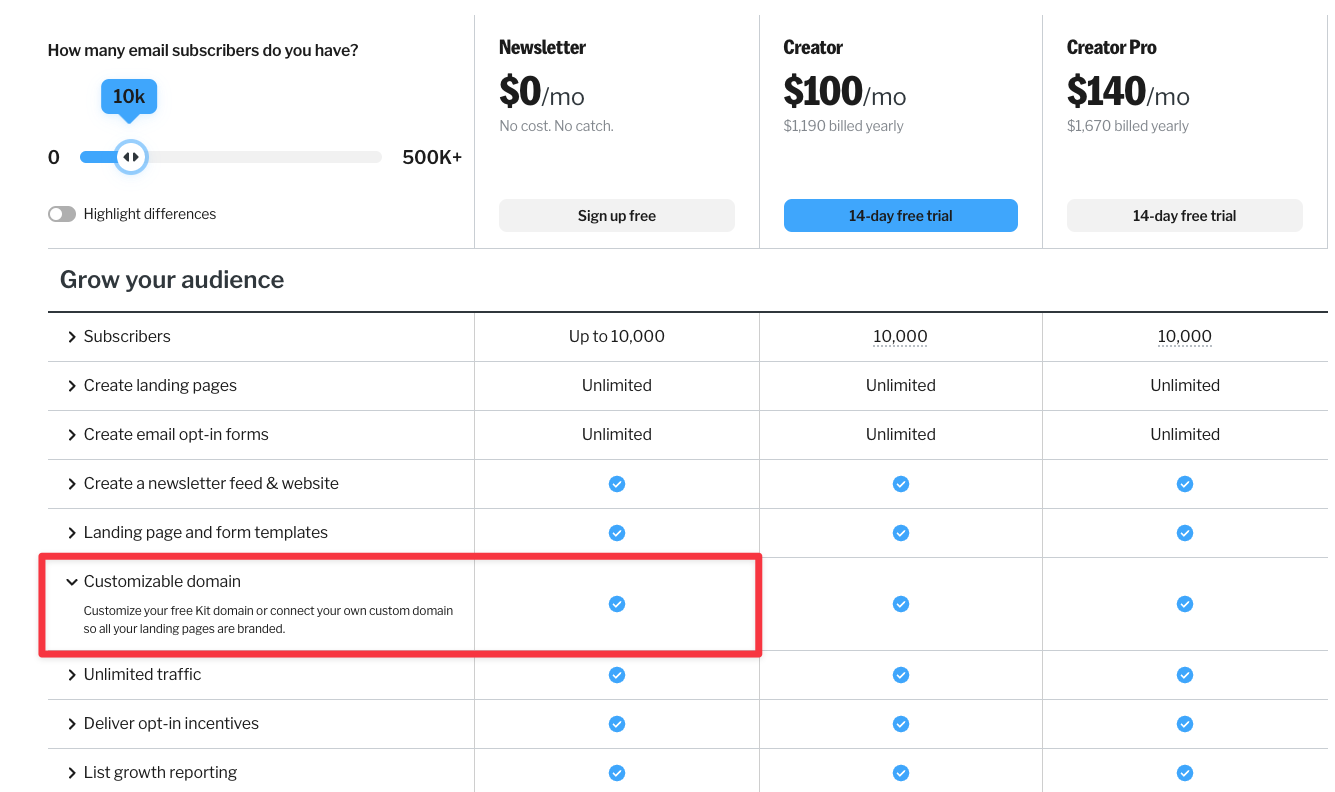
You can create all sorts of landing pages with Kit, including but not limited to:
and more...
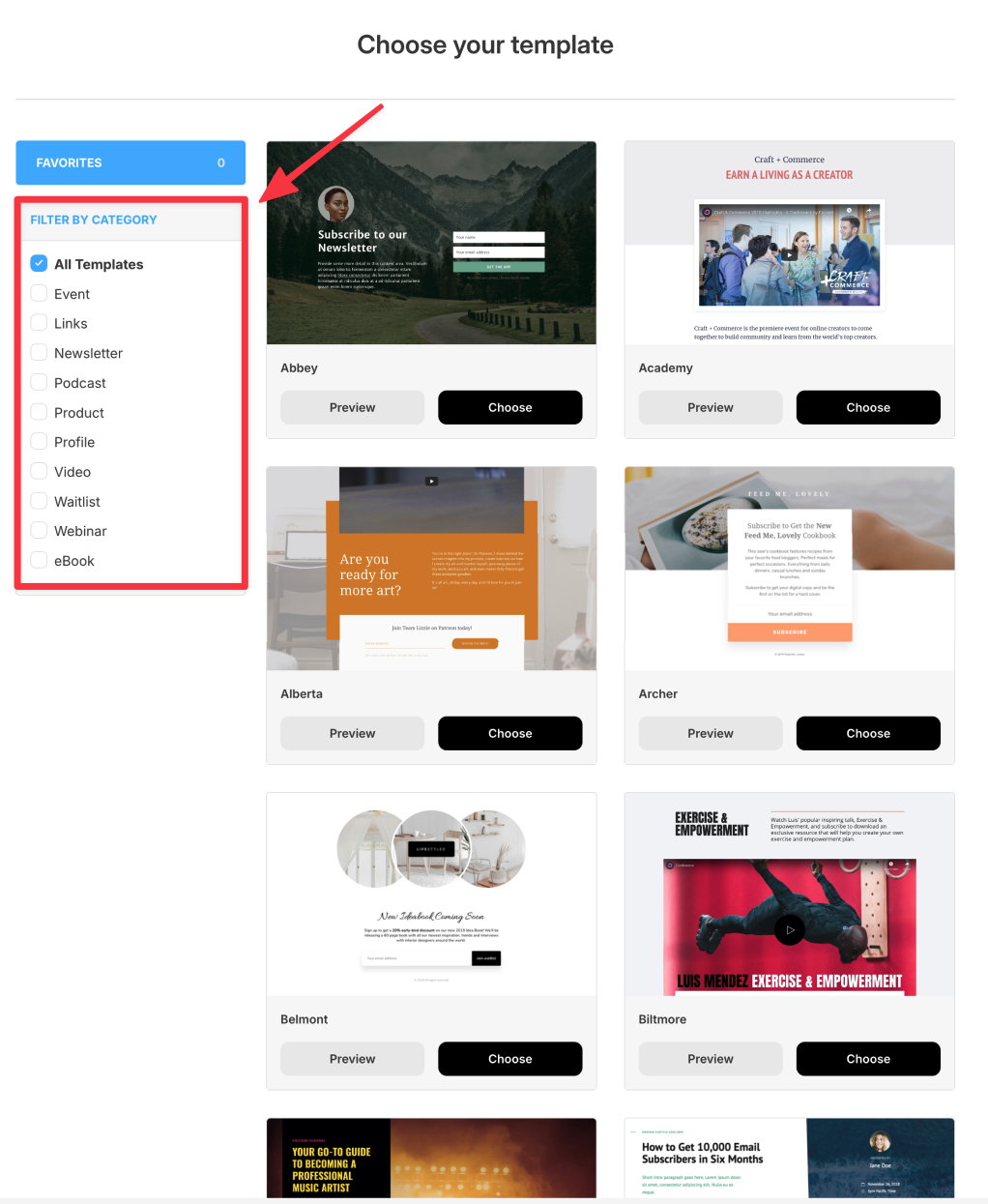
When you sign up for Kit on their free Newsletter plan, you also get to:
The free newsletter plan (with 10,000 free subscribers) is the most generous in the industry.
Kit is great for anyone who needs a landing page on their own domain to grow an email list.
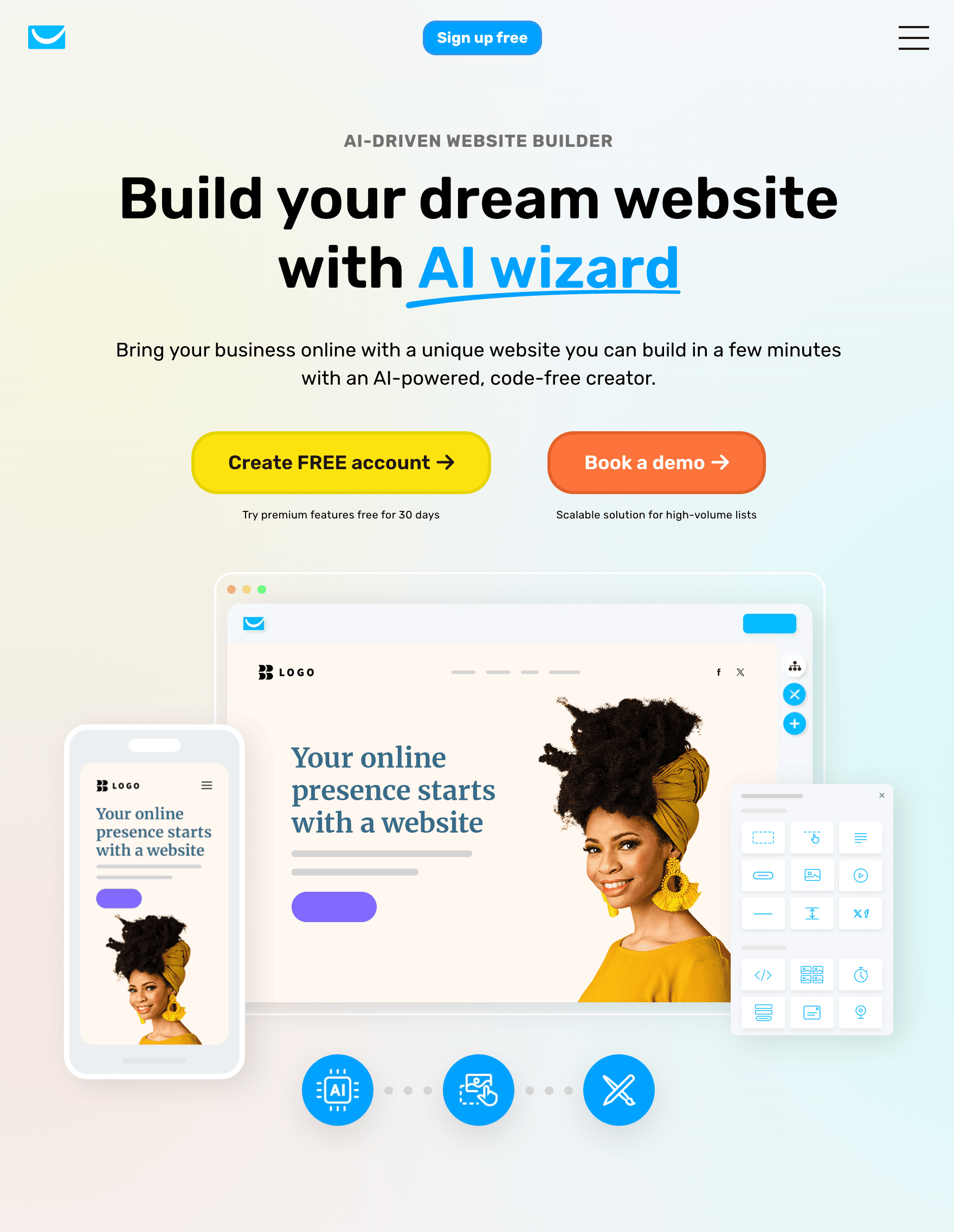
GetResponse was one of the pioneers in email marketing for small businesses back in the early 2000s, but they've had multiple rebrands and expansions ever since.
Their latest product release includes a website builder that allows you to connect to a custom domain on the free plan. You get access to about 100+ templates and a drag-and-drop editor, plus email marketing tools.
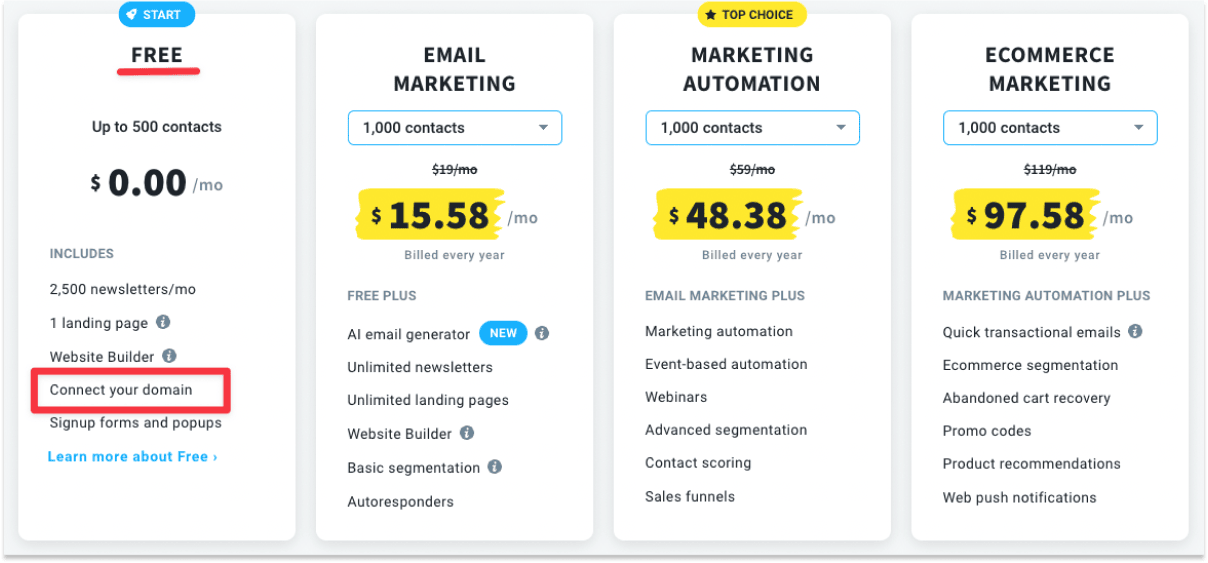
GetResponse is good for small businesses that just need a simple branded website or landing page that collect leads.
The website builder is simple enough for beginners to set up, and you get to set up an email list leveraging GetResponse's existing email marketing tools.
Learn more about GetResponse's free website builder
Systeme.io free plan gives you free site with sales funnels, email marketing, blog, online courses, and membership sites, all with custom domain support.
Their website builder that allows you to design a site with their drag-and-drop builder and pre-designed templates.
And yes, Systeme.io also offers the ability to connect a custom domain on their free plan.
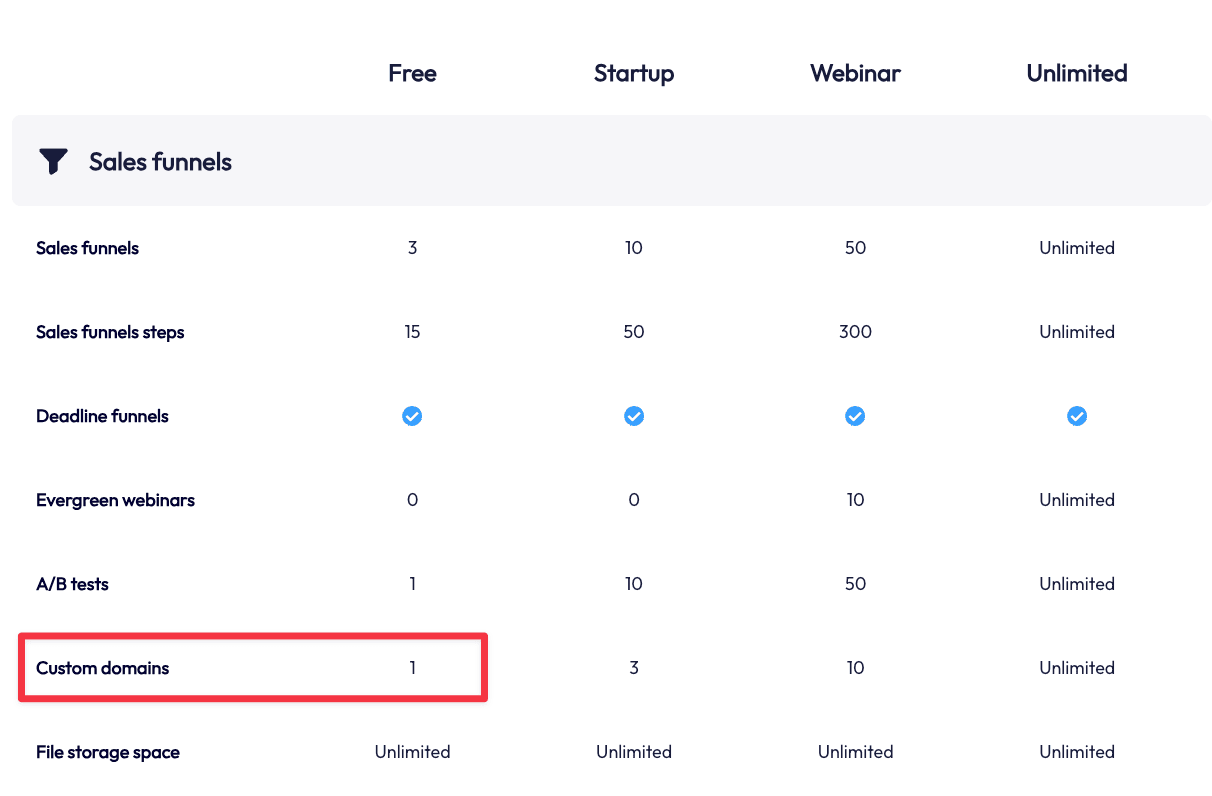
Systeme is great for course creators, coaches, and digital product sellers who want funnels + email + course hosting on one free platform.
Just be mindful that you will eventually need to upgrade once you hit the 2000 subscribers/customers cap.
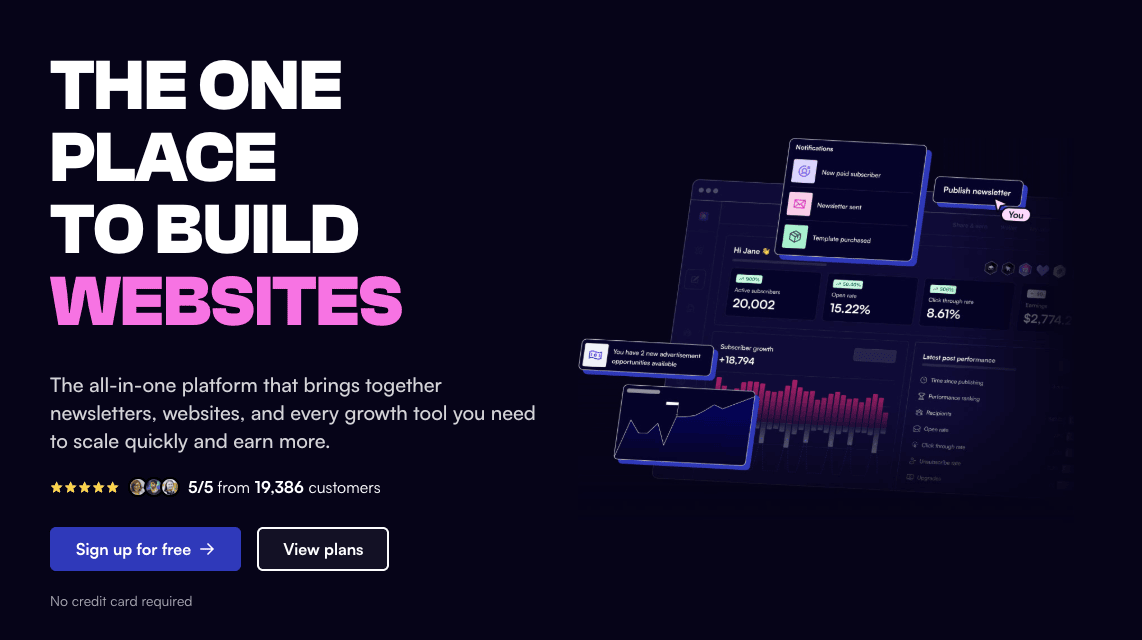
Beehiiv isn't your typical website builder, rather, it's a full-fledged marketing platform for those who want to build a brand with a following.
To show you an example, one of my favourite Beehiiv accounts to follow is Internet is Beautiful.
Every week they'll send you a newsletter with a list of hidden internet gems and generally interesting websites that makes you go: "Hey I didn't know that!".
If you visit their site (which was built on Beehiiv), it's more than just a newsletter sign-up landing page.
On it, you set up your custom brand, connect to your socials, and let visitors view & search all your previous posts, kind of like a blog.
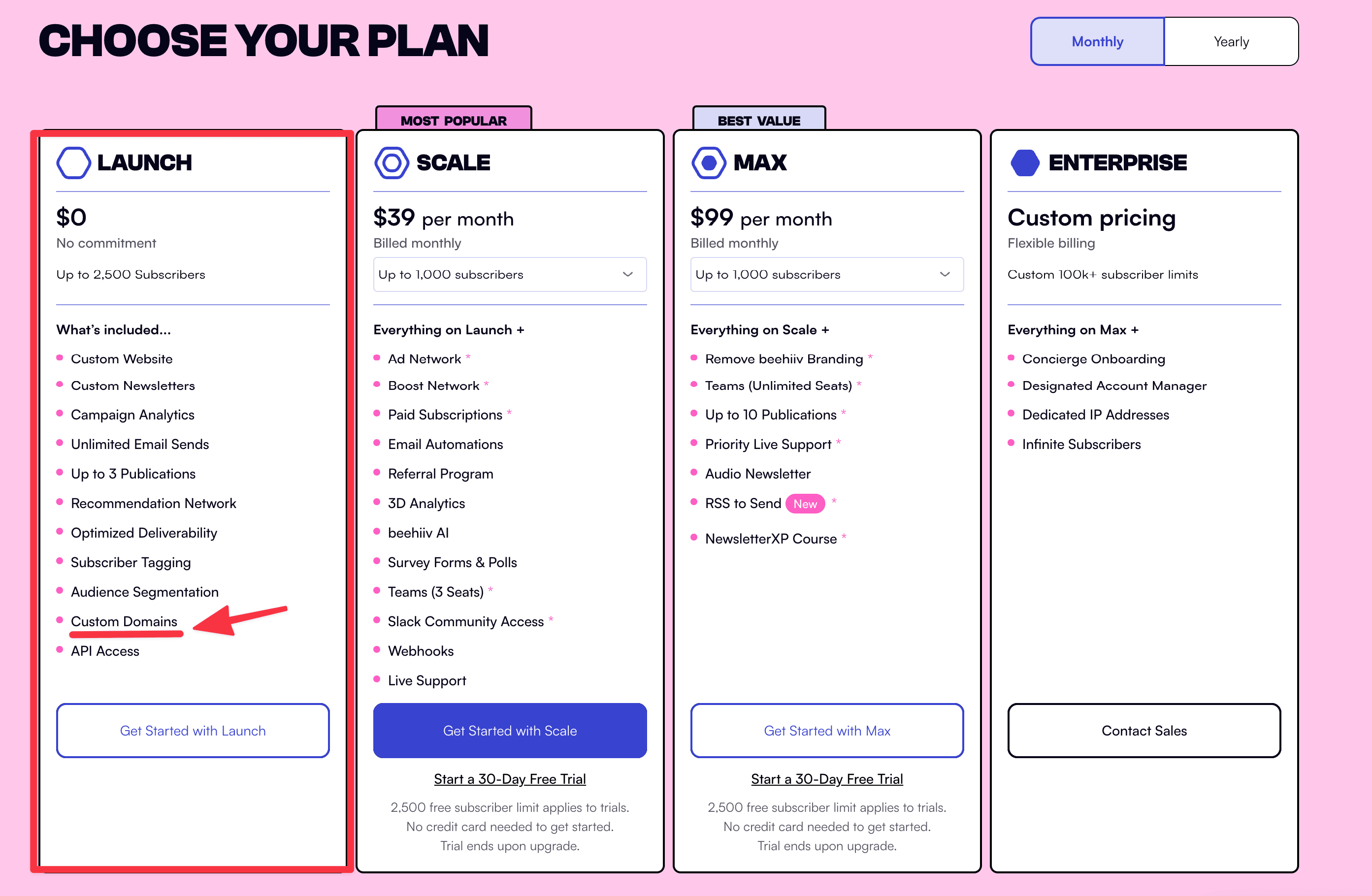
Beehiiv has a few paid options, but their free plan (Launch) is pretty generous to get you started:
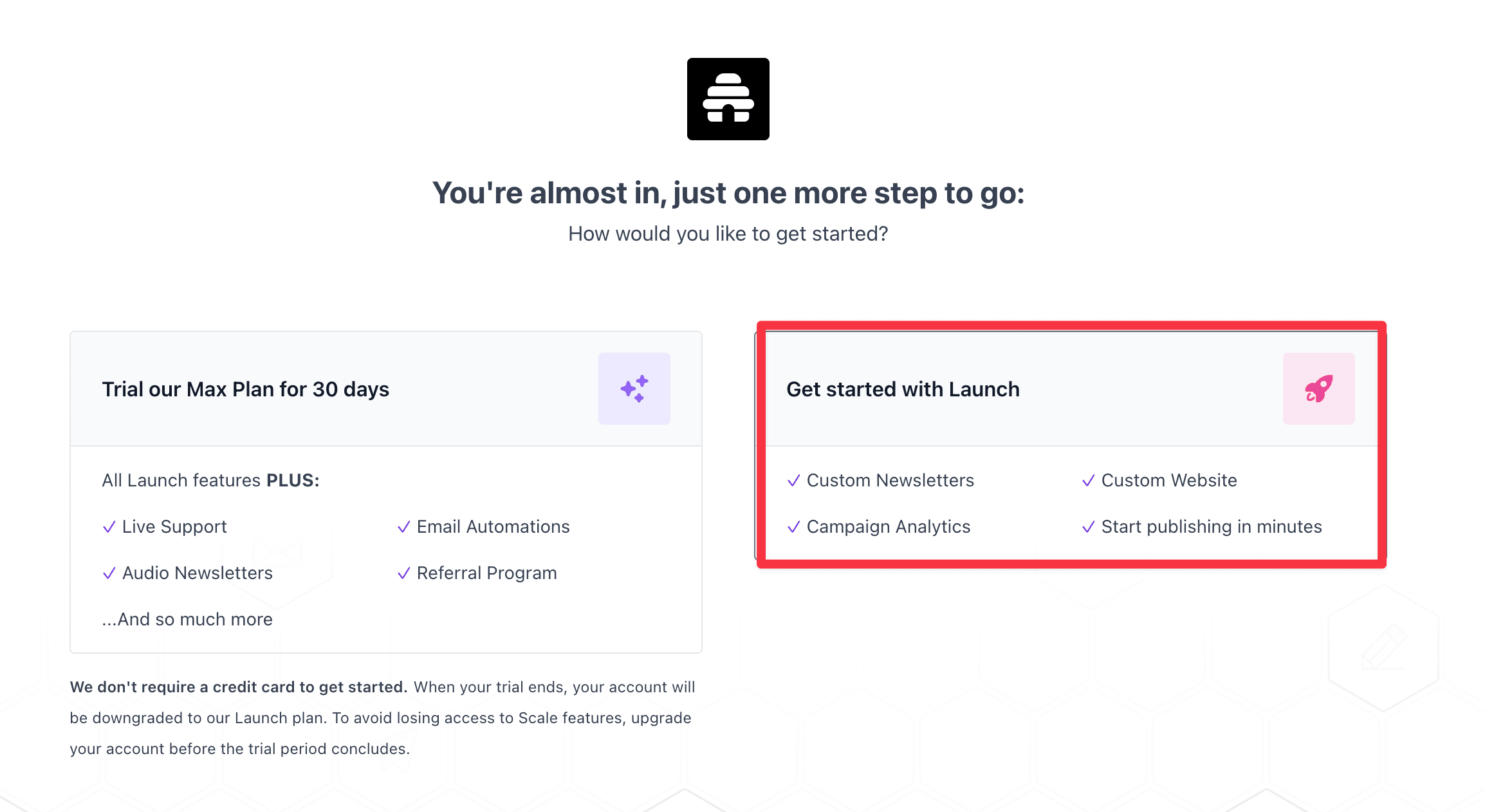
While you can set up a site for free on Beehiiv, creating custom webpages or using their website templates requires you to upgrade to a paid plan.
This means the design and customization options can be quite limited with the free Beehiiv account.
Also, the best way to monetize your Beehiiv newsletter is by offering paid subscriptions, but this feature is also unavailable on the free plan.
Lastly, note that the free plan allows you to have up to 2,500 subscribers only.
If you plan to scale aggressively, you'll probably need to upgrade to a paid plan eventually, which starts at $50/month or more.
I think Beehiiv is a great starting place to build a following. Sure, the design can be limited, but being able to set up a branded site with your own domain for free is hard to beat.
Plus, if you do eventually outgrow the 2,500 free limit or decide not to upgrade for whatever reason, you always have the option to export your subscribers to another newsletter platform.
Landingi is more advanced than the average landing page builder mentioned previously. If you're looking for a free landing page with custom domain support, Landingi specializes in building landing page for lead generation efforts.
Some advanced features they have include (that their competitors don't) are:
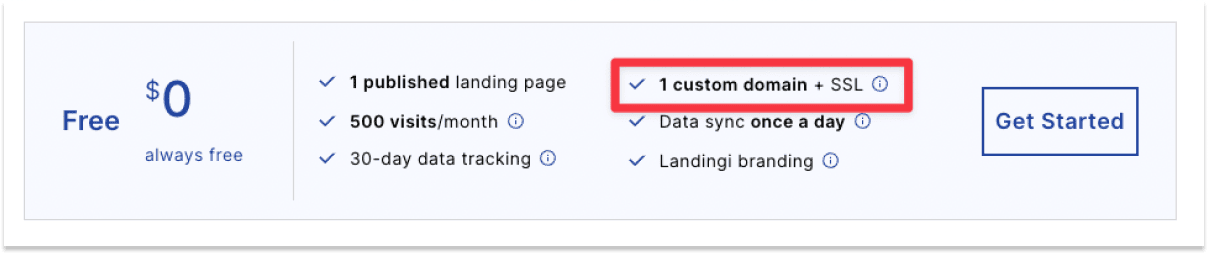
And yes, Landingi is also a free landing page builder that lets you connect to a custom domain on the free plan, with free SSL included.
Note: you will have to integrate with an email marketing platform as Landingi only supports landing page and lead capture form. But they have over 100 integrations with leading CRM, email marketing platforms, chat groups, eCommerce solutions, etc.
Landingi is great if you with the best-in-class tool and landing page design.
I believe Landingi is designed for marketing agencies, consultants, and freelancers who either work with clients or sell their own products.
It's great if you want to maximize your lead generation efforts. For example, you can use it to gather leads for event or webinar pages, encourage customers to sign up for ebooks or discount coupons, or secure pre-registered users for a new product launch.
Learn more about Landigi free landing page builder.
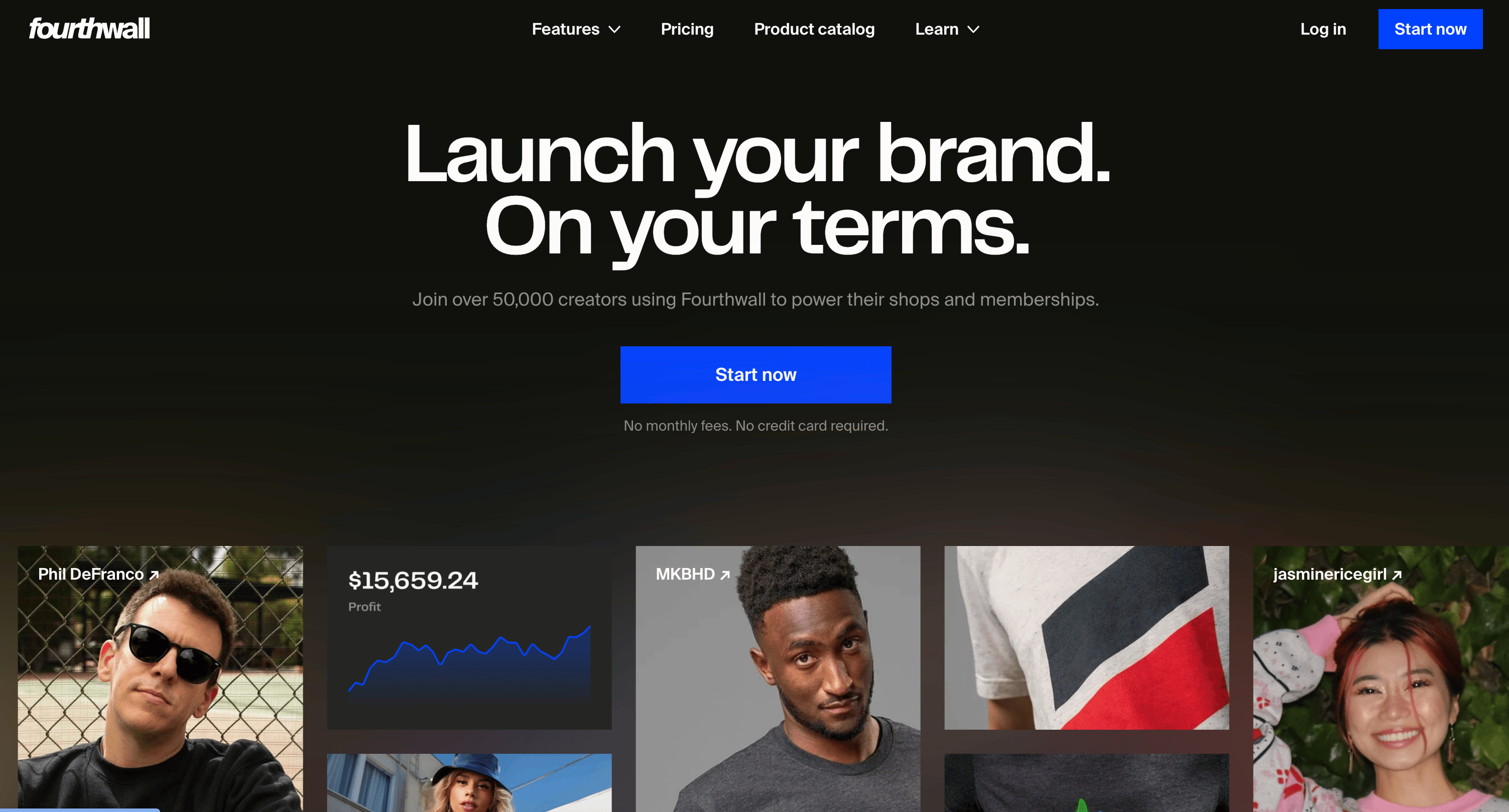
Fourthwall was made for artists, YouTubers, and influencers who want to sell merch without dealing with manufacturing and shipping.
You just pick a product from their catalog (they offer things like T-shirts, mugs, tumblers, and more), add your design, and start selling or promoting.
Fourthwall handles all the logistics, so you don’t have to worry about getting the products to your customers.
MKBHD is a great example of someone using Fourthwall to sell merch.
While it’s perfect for influencers, anyone can sign up, and it’s free.
One cool feature is that you can set up a store with your own custom domain at no cost.
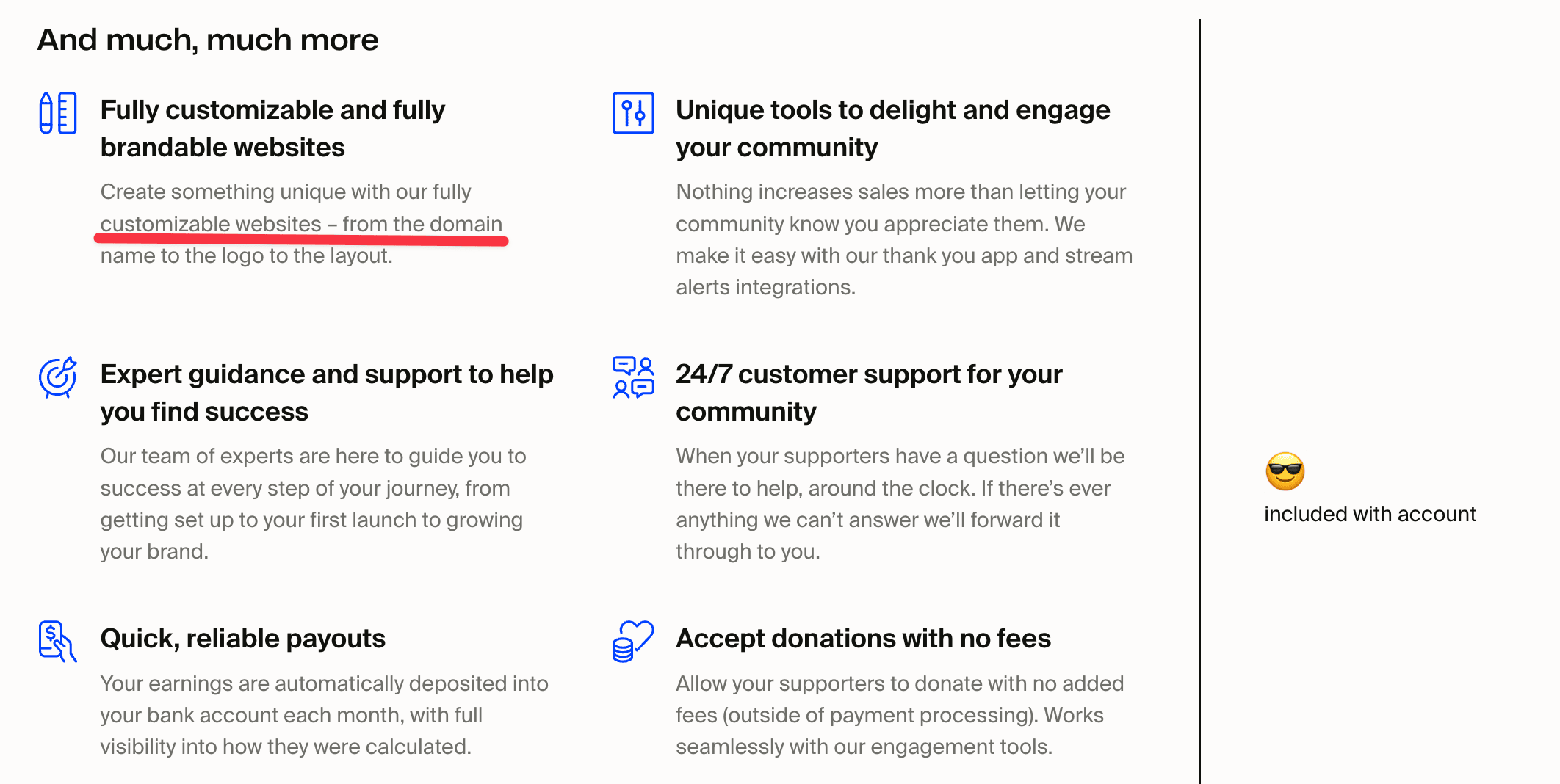
You can even sell your own digital or physical products if that’s more your style.
What makes Fourthwall easy to use? For starters, it’s free, and it comes with:
As great as Fourthwall is, it does have some limitations compared to a big eCommerce platform like Shopify.
For one, Shopify has an entire ecosystem with an app store, along with access to thousands of designers and developers who build custom themes and tools specifically designed to boost your revenue.
Fourthwall, on the other hand, doesn’t currently offer:
The bottom line is that if eCommerce isn’t your main focus and you’d rather put your energy into your creative work, Fourthwall is a great fit—it lets you sell without managing logistics and support.
But if you’re looking to run a larger, optimized eCommerce business, Shopify might be a better option in the long run.
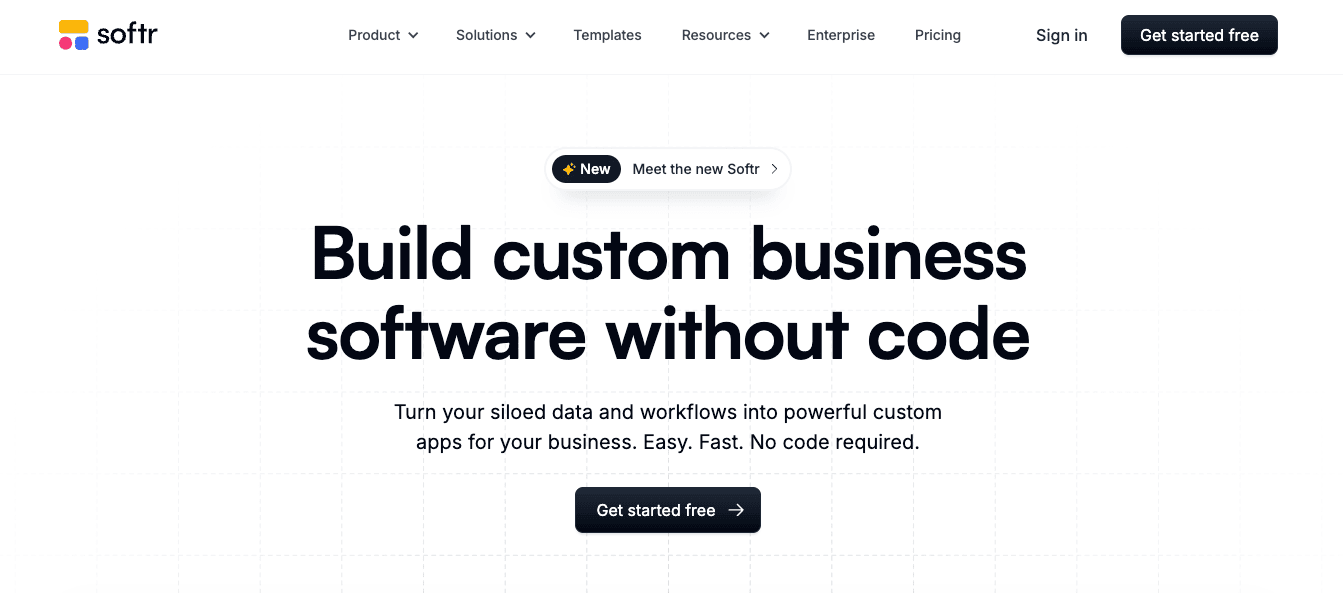
Softr.io started in 2019 as a no-code app builder, but now it's the go-to platform for turning Airtable and Google Sheets into sleek web apps like client portals and internal tools for businesses.
In my opinion, Softr is great if you’re a solo founder, service business, or startup looking to build any kind of web apps:
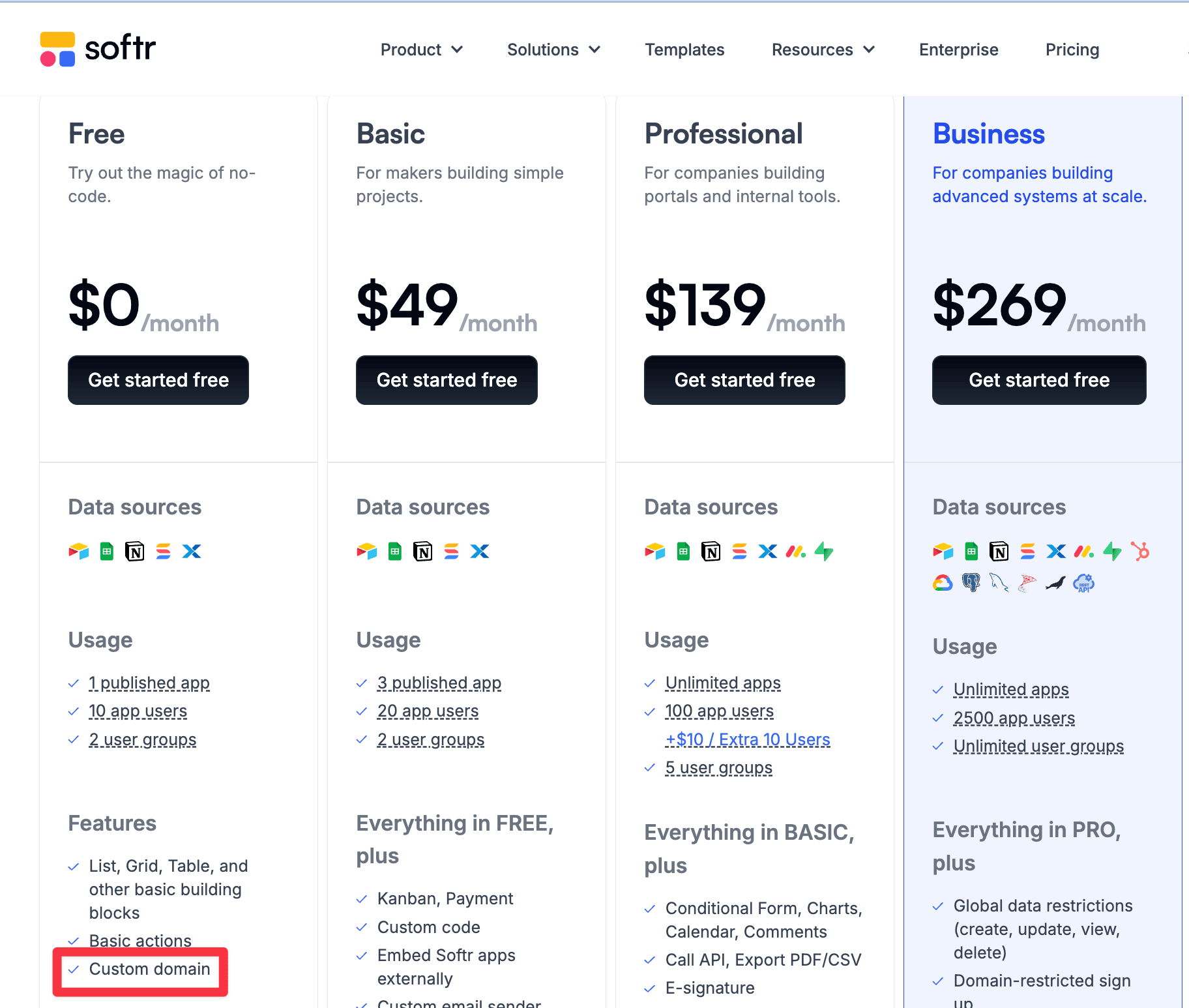
If you want to build a quick web app fast and without coding, Softr is a decent place to start. With their latest pricing, it's better to use it for school projects for internal tools for businesses, given you're severely capped by the number of users on each plan.
Blogger.com is Google’s original blogging platform, launched in 1999 and later acquired by Google in 2003.
And just like other Google product, Blogger is completely free to use. No paid plans, no hosting fee, and no storage limits you need to worry about upfront.
Setting up a blog on Blogger is straightforward:
blogspot.com subdomain. Alternatively you can connect your own custom domain.Despite its age (and declining popularity), Blogger is still actively maintained and has a few things going for them
It les you connect a custom domain for free and you can rely on Google-hosted infrastructure so your blog remain fast, reliable, and secure. Unlike other paid blogging platforms, there's no traffic limits or hosting fees.
That said here are a few Blogger shortcomings to note:
If your goal is simple blogging with zero cost. Blogger gets the job done.
Blogger is best if:
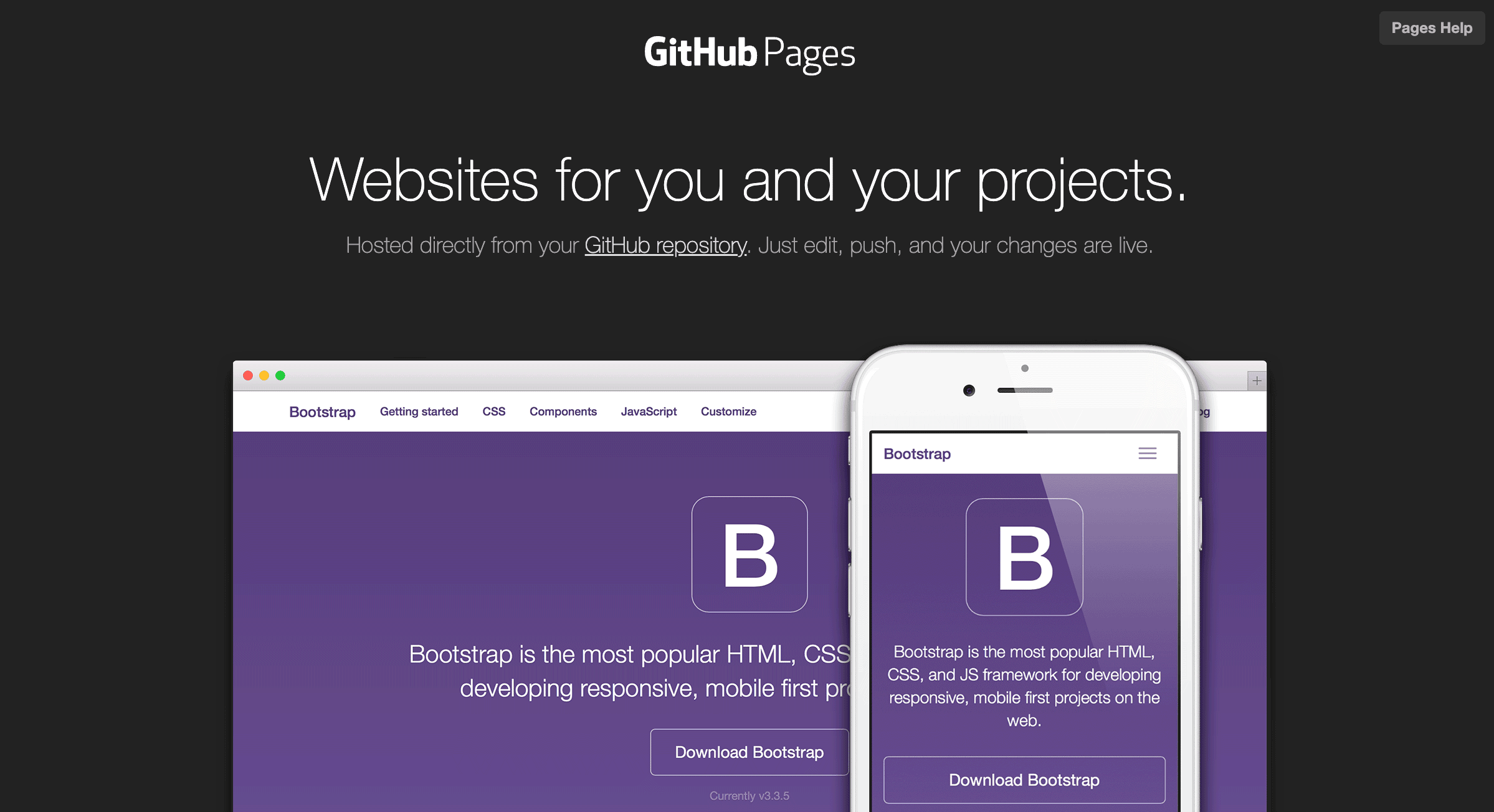
If you're comfortable writing HTML/CSS (or using a static site generator like Hugo or Jekyll), GitHub Pages offers free hosting with custom domain support and no branding.
You create a repository on GitHub, push your site files (HTML, CSS, JavaScript), and GitHub serves them as a live website.
You can either write raw HTML or use a static site generator like Jekyll (which GitHub builds automatically) or Hugo (which you build locally and push the output).
If all this sounds too technical, Github provides a step-by-step documentation to set it up, which I fully recommend.
If you know basic HTML/CSS or are willing to learn a static site generator, it's the recommended free route to host your site.
Github pages is mostly for developers and technical users who want to host their own site. But I would recommend it to anyone (who's willing to learn it) to host their site given the flexibility, control, and cost.
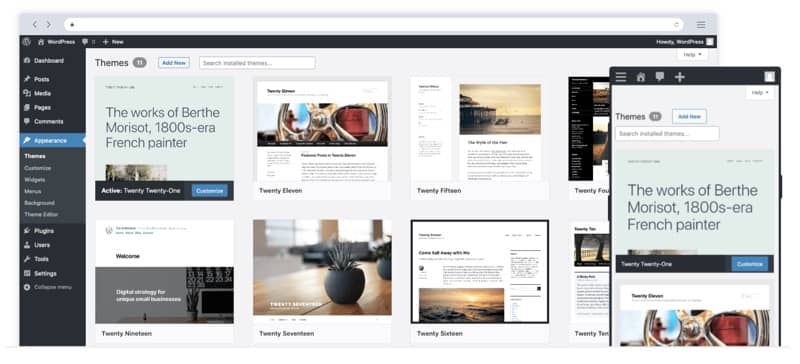
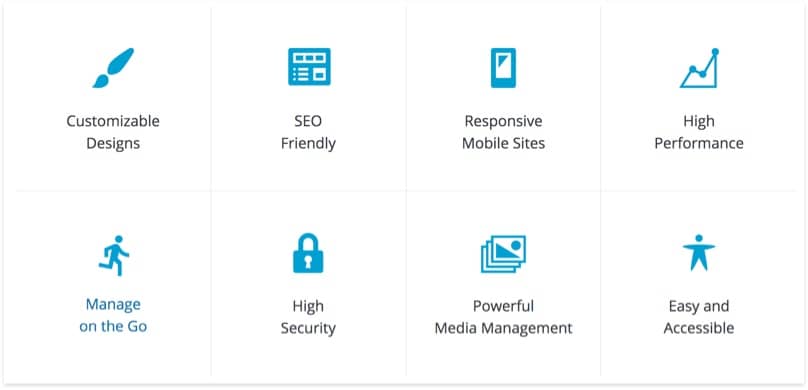
Wordpress (the .org version) isn’t a website builder per se, but it is one of the most popular platforms for building a website.
To set up a Wordpress site, you have to buy a custom domain and dedicated web hosting.
And since Wordpress is free, you only have to purchase web hosting, which is much more cost effective, making it the preferred choice for many web developers.
Also read: Wordpress vs Squarespace vs Wix vs Weebly
If you need a general-purpose website for your business, Hubspot is a great place to start. Tons of free templates (thanks to their collab with Themeforest) and marketing tools to help you get traction.
If you need an eCommerce store, then Fourthwall or Wordpress (aka WooCommerce) comes to mind.
But if you want to create a personal branded website, then consider Kit, BeeHiiv, and Systeme.
If you want to create a free landing page, then Landingi, Web Studio, and Kit are all great options.
All the website builders with free domain name support on this list let you connect your own domain on the free plan, so you can start with a branded site from day one.
The process is similar across most platforms:
For a full step-by-step walkthrough with screenshots, see my guide on how to create a free website with a custom domain.
You'll need to buy your domain separately since no free builder includes one. A .com domain costs about $9-10/year from a good registrar.
Here are the most recommended options:
Avoid registrars like GoDaddy that advertise $1.99 first-year pricing but charge $20+ on renewal.
The registrars above charge roughly the same price every year.
For more details on choosing a registrar, I have a guide on where to buy a cheap domain name.
You can get a free custom domain from DigitalPlat and Github (if you're a student) and connect it to one of the website builders that allow you to add a custom domain for free.
But note that these domains come with limitations.
Your best options are FourthWall (physical merch and digital products for creators) and Systeme.io (digital products and courses).
Both support custom domains and free ecommerce.
For a general-purpose online store with inventory management, shipping options, and payment processing, you'll need a paid plan.
More details here: Best eCommerce platforms for small businesses
HubSpot is the only builder that offers both AI-powered design features and custom domain support on its free plan. Its AI content assistant can generate page copy and suggest layouts.
Other AI builders like Framer, Wix ADI, and Hostinger's AI builder all require paid plans for custom domains. For a deeper comparison, check out this article on free AI website builders.
No. Wix's free plan gives you a URL like username.wixsite.com/sitename. Connecting your own domain requires at minimum the Light plan at ~$17/mo.
David Nge is the founder and writer behind MakingThatWebsite.com. Since launching in 2021, he’s been on a mission to help non-techies—especially small business owners—build better websites using easy-to-learn tools and smart, time-saving strategies. He specializes in website builders, SEO, and practical AI tutorials for small business owners.
Have a tutorial you want to learn? Leave a suggestion here.